
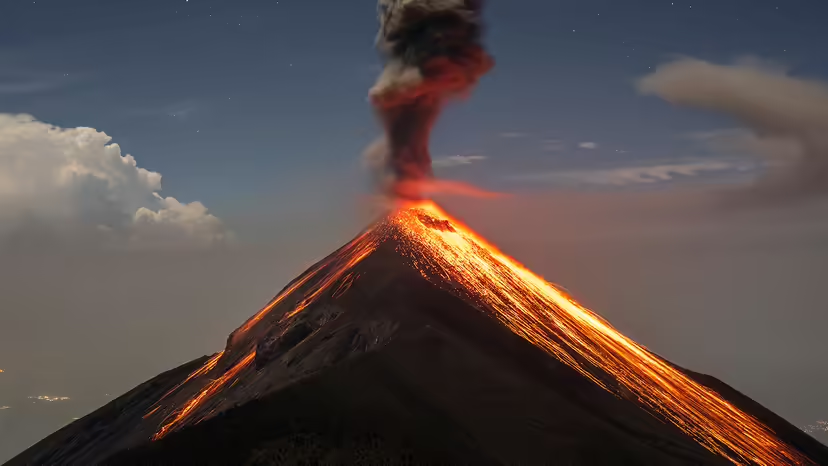
Volcanoes are some of Earth’s most awe-inspiring features — but also among its deadliest. When asking which is the most dangerous volcano in the world, scientists consider not just eruption history but also population density, eruption style and potential global effects.
Now, let’s take a look at some of the most dangerous volcanoes on Earth.
Contents
1. Mount Vesuvius, Italy
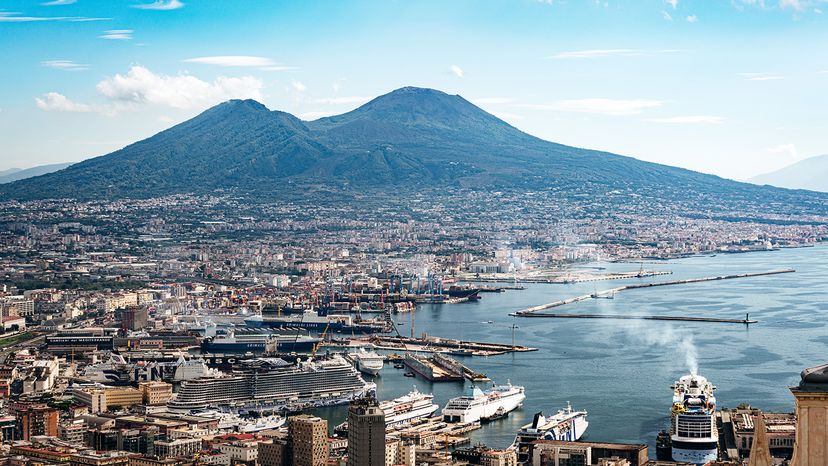
Located near Naples and close to densely populated areas, Mount Vesuvius is infamous for the catastrophic eruption that buried Pompeii in 79 C.E. Today, millions live within its immediate area.
With explosive eruptions and deadly pyroclastic flows, Vesuvius remains a top threat. The last eruption occurred in 1944, but volcanologists closely monitor it for signs of future eruptions.
2. Mount St. Helens, U.S.
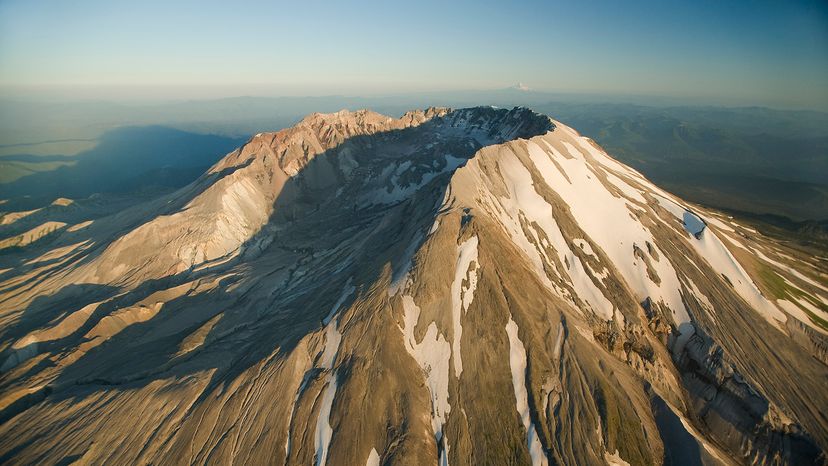
The Mount St. Helens eruption in 1980 was one of the most explosive eruptions in U.S. history. Located in Washington State, this active volcano produced massive pyroclastic flows and ash clouds that destroyed forests and killed 57 people.
The United States Geological Survey (USGS) ranks it among the most dangerous volcanoes due to its history and potential.
3. Mount Merapi, Indonesia
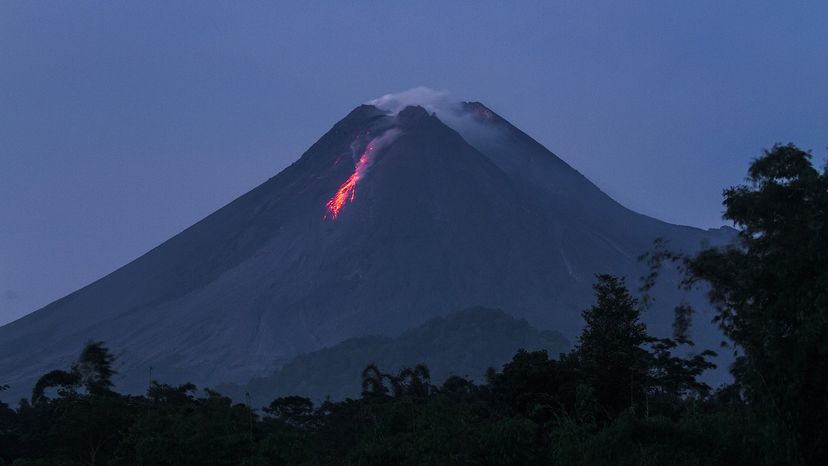
One of the most active volcanoes in the world, Mount Merapi regularly threatens surrounding villages in Indonesia. Its eruptions are known for large pyroclastic flows and lava flows.
The last major eruption occurred in 2010, killing hundreds. Indonesia’s high population density amplifies the danger.
4. Mount Rainier, U.S.
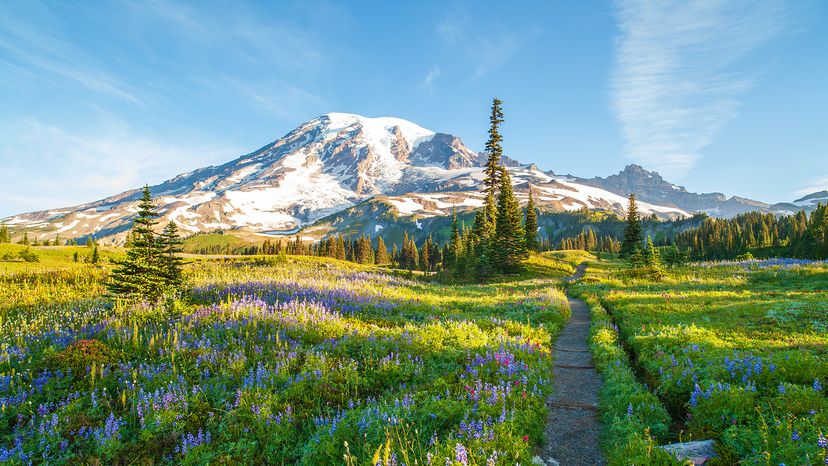
Often overshadowed by Mount St. Helens, Mount Rainier looms over Seattle and Tacoma. This glacier-capped volcano poses a serious risk due to its potential for lahars — volcanic mudflows that can sweep through nearby towns.
It’s classified as a Decade Volcano due to its high hazard level.
5. Yellowstone Caldera, U.S.
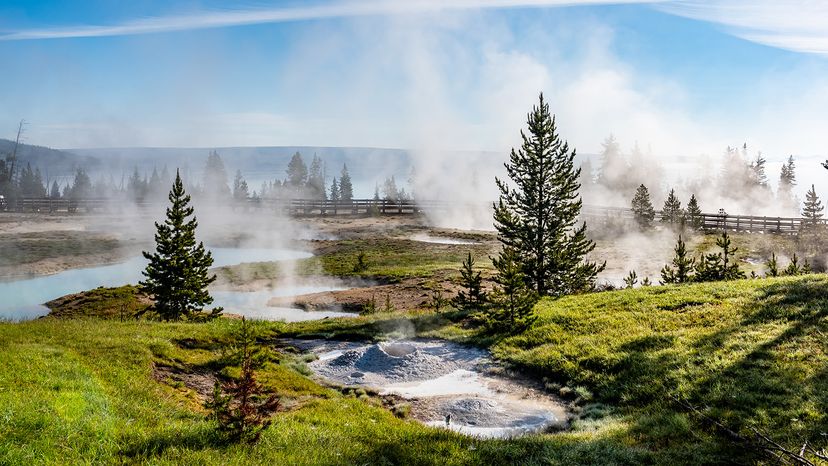
The Yellowstone supervolcano, or Yellowstone Caldera, is a massive volcanic system in Wyoming. Although it hasn’t erupted in recorded history, its last large eruption was about 640,000 years ago.
If it were to erupt, it could affect global climate and release massive volumes of volcanic ash across North America.
6. Mount Etna, Italy
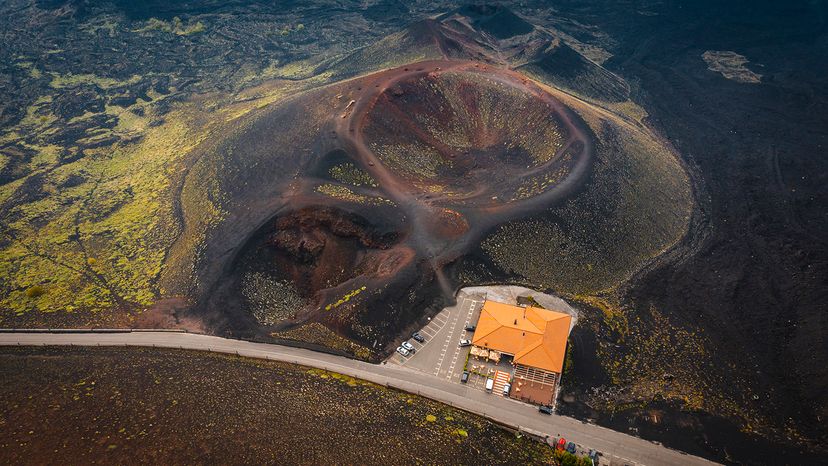
Mount Etna is one of the most active volcanoes in Europe. Located in Sicily, it has frequent lava flows and ash emissions that disrupt air traffic and damage local agriculture.
Despite frequent activity, its eruptions are generally less explosive but still pose risk to nearby communities.
7. Popocatépetl, Mexico
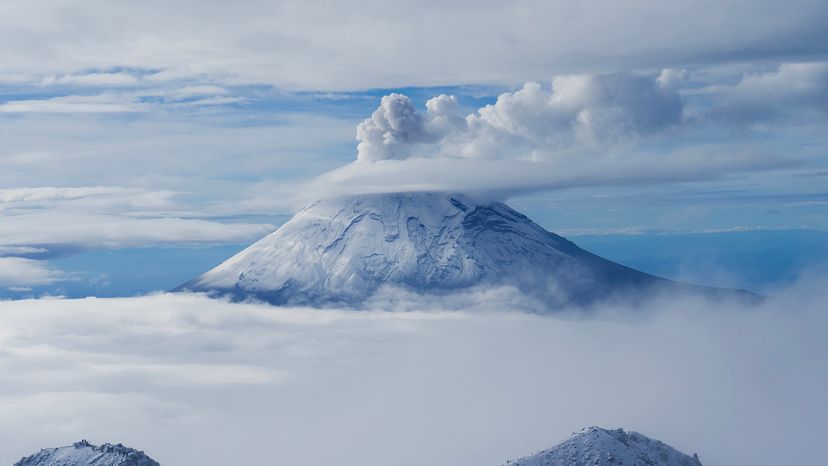
Rising just 44 miles (70 km) from Mexico City, Popocatépetl is an active volcano that has had frequent eruptions in recent decades. A large eruption could endanger millions and blanket the city in ash. Its proximity to urban areas makes it one of the most dangerous volcanoes in North America.
8. Cumbre Vieja, Spain
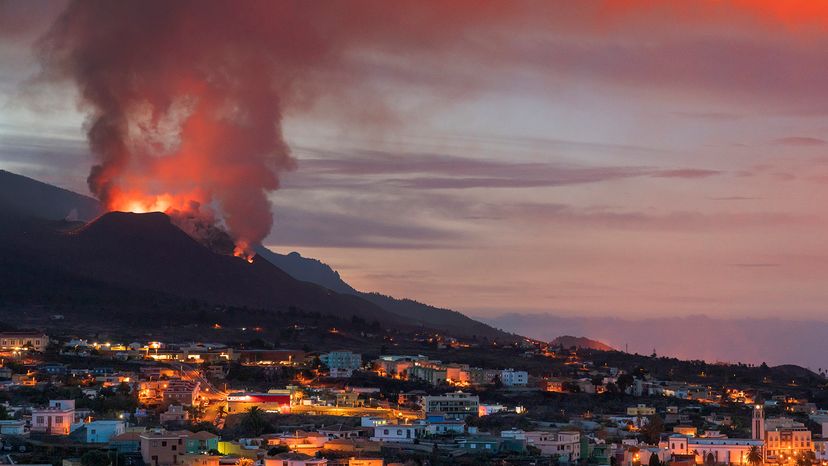
Located on La Palma in the Canary Islands, Cumbre Vieja erupted in 2021, destroying homes and causing significant damage. Though not one of the most active volcanoes historically, the recent eruption highlighted its explosive potential and the hazards posed to island residents.
9. Pinatubo Volcano, Philippines
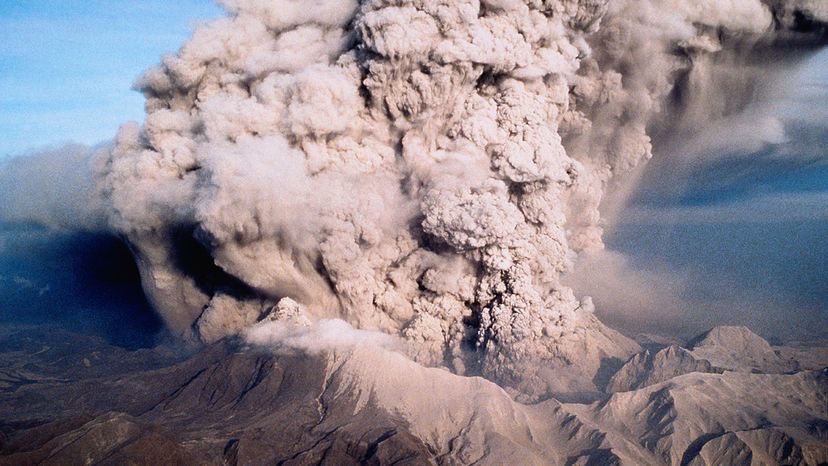
The 1991 eruption of Mount Pinatubo was the second-largest volcanic eruption of the 20th century. It expelled huge volumes of ash and gas, affecting global climate by lowering temperatures.
It also displaced more than 50,000 people and showcased the far-reaching effects of explosive eruptions.
10. Novarupta Volcano, U.S.
Though lesser-known, the 1912 eruption of Novarupta in Alaska was the largest in the 20th century. It formed the Valley of Ten Thousand Smokes and expelled more magma than the Mount St. Helens eruption.