
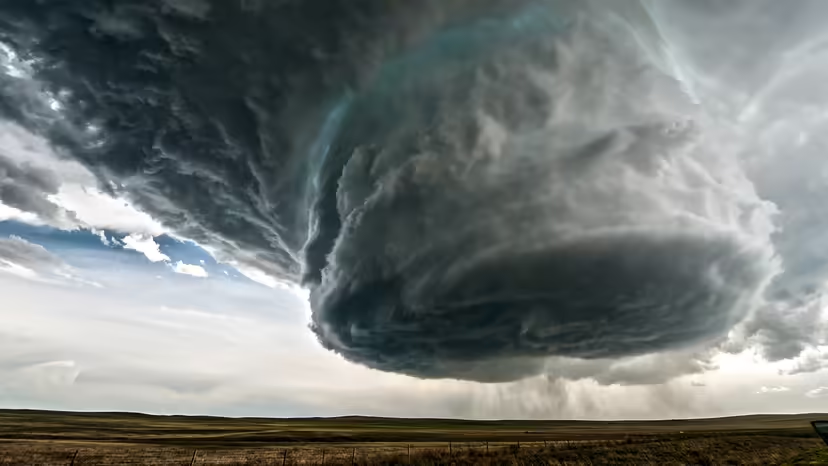
A tornado is a violently rotating column of air that stretches from thunderstorms to the ground. In an average year, hundreds of tornadoes occur in the United States, especially in a region famously dubbed Tornado Alley.
The states with the most tornadoes often experience severe weather during late spring and summer. Some of them are Gulf Coast states that are also vulnerable to hurricanes.
The numbers below are based on data collected by the Storm Prediction Center at the National Oceanic and Atmospheric Administration (NOAA). Understanding where tornadoes occur most often helps residents prepare for severe weather and reduce fatalities and property damage.
Contents
1. Texas
Texas experiences the highest number of tornadoes annually. The National Weather Service and NOAA report that the state sees an average of over 155 tornadoes per year.
Central Texas is particularly active, with tornado activity driven by warm Gulf air clashing with cold air from the north.
2. Florida
While known for hurricanes, Florida also sees frequent tornadoes — many spawned by tropical storms. The state’s average number of tornadoes is high due to its size and proximity to warm, moist air.
Most tornadoes here are weaker, but their sudden formation can still cause property damage.
3. Kansas
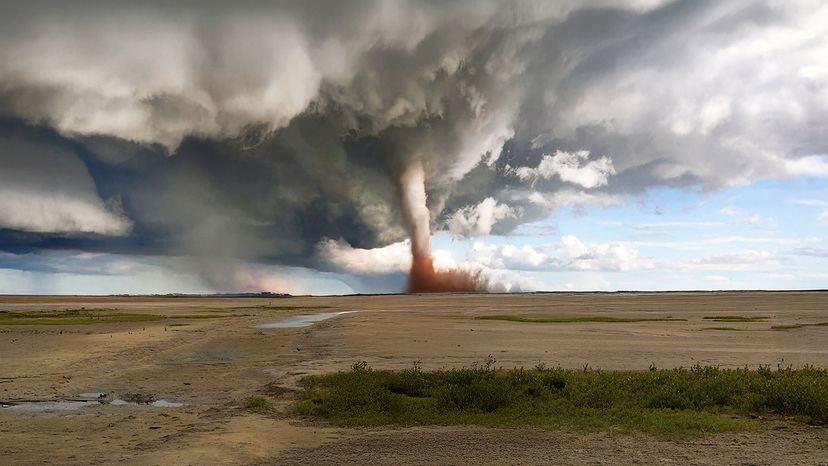
A core member of Tornado Alley, Kansas has a long history of tornadoes with high tornado strength. The flat terrain and central location make it ideal for storm formation. Kansas averages more than 90 tornadoes per year, according to NOAA Storm Prediction Center data.
4. Oklahoma
Oklahoma often tops the charts for strong tornadoes. The state has experienced catastrophic damage in places like Moore and Oklahoma City. With an average of 60 to 70 tornadoes annually, the risk here is compounded by high wind speeds and vulnerable structures like mobile homes.
5. Nebraska
Tornadoes frequently occur across Nebraska’s wide plains. The state has a high number of tornadoes relative to its population and size, particularly in May and June. Enhanced Fujita scale ratings show that Nebraska sees a mix of moderate and strong storms.
6. Illinois
Illinois sees an average of 50 to 60 tornadoes annually. Many occur in the central and southern parts of the state. Tornadoes in Illinois have caused severe weather outbreaks that include hail and damaging winds, especially during late spring.
7. Iowa
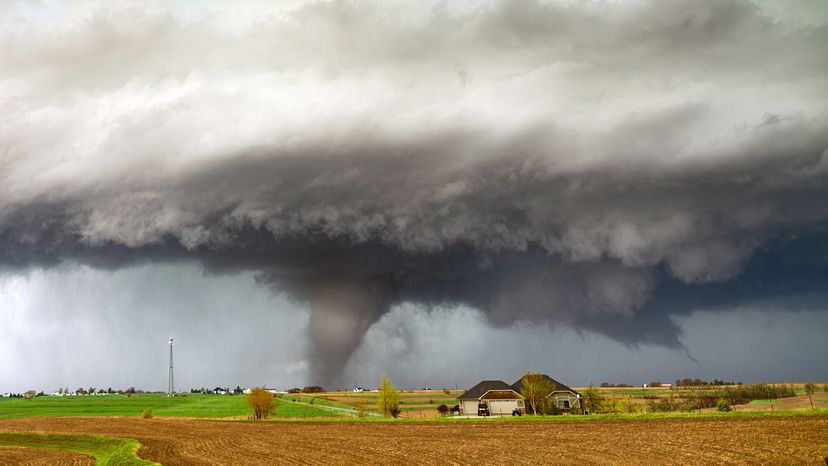
Iowa’s position in the Midwest makes it a hotspot for spring and summer tornadoes. Tornadoes here often cause crop damage and impact small towns. In recent years, the state has averaged roughly 50 tornadoes per year, especially in the central and eastern counties.
8. South Dakota
South Dakota is another Plains state that sees regular tornado activity. Though not as densely populated, its wide-open spaces allow for clear storm tracking. Tornadoes typically occur in the summer months and can cause damage to farms and small communities.