
Smart Home Devices That Save Energy and Money
You know that moment when you open your energy bill and your jaw hits the floor? Yeah, me too. Last winter, I watched my heating costs spike by 40%—until I wised up and let technology do the heavy lifting. Smart home devices aren’t just about yelling at Alexa to play your workout playlist. When chosen strategically, they’re stealthy energy-saving ninjas that slash bills without sacrificing comfort.
The Energy Vampires Lurking in Your Home
Before we talk solutions, let’s diagnose the problem. The Department of Energy found that the average U.S. household wastes $200-$400 annually on “phantom loads”—energy sucked by devices that are “off” but still plugged in. My own energy monitor revealed my cable box was drawing 28 watts 24/7, even when “powered down.” That’s like leaving a 40-watt bulb burning nonstop for a year.
3 Culprits You’re Overlooking
1. Gaming consoles: A PlayStation 5 in rest mode uses more power than a refrigerator. UC Berkeley’s study showed they consume 70-150 watts when “asleep.”
2. Old cable boxes: Those clunky DVRs from your provider? They’re essentially space heaters. The NRDC found some models pull 35 watts even when not recording.
3. Desktop computers: Leaving your work-from-home setup on overnight burns through 600+ kWh annually—enough to power an Energy Star fridge for a year.
Smart Plugs: The $25 Game Changer
I installed my first smart plug on that energy-hogging cable box. The TP-Link Kasa model ($24.99) revealed it was costing me $42/year in standby power. Setting an automatic shutoff schedule from midnight to 6 AM saved $31 annually—a 130% ROI in under 10 months.
Pro Tip: The “Stack Effect”
Group devices on smart plugs by usage pattern. My entertainment center setup:
– Smart plug #1: TV, soundbar, gaming console (shuts off at 11 PM)
– Smart plug #2: Cable box, router (stays on 6 AM-midnight)
This reduced my phantom load from 87 watts to 9 watts overnight.
Learning Thermostats: Where AI Meets HVAC
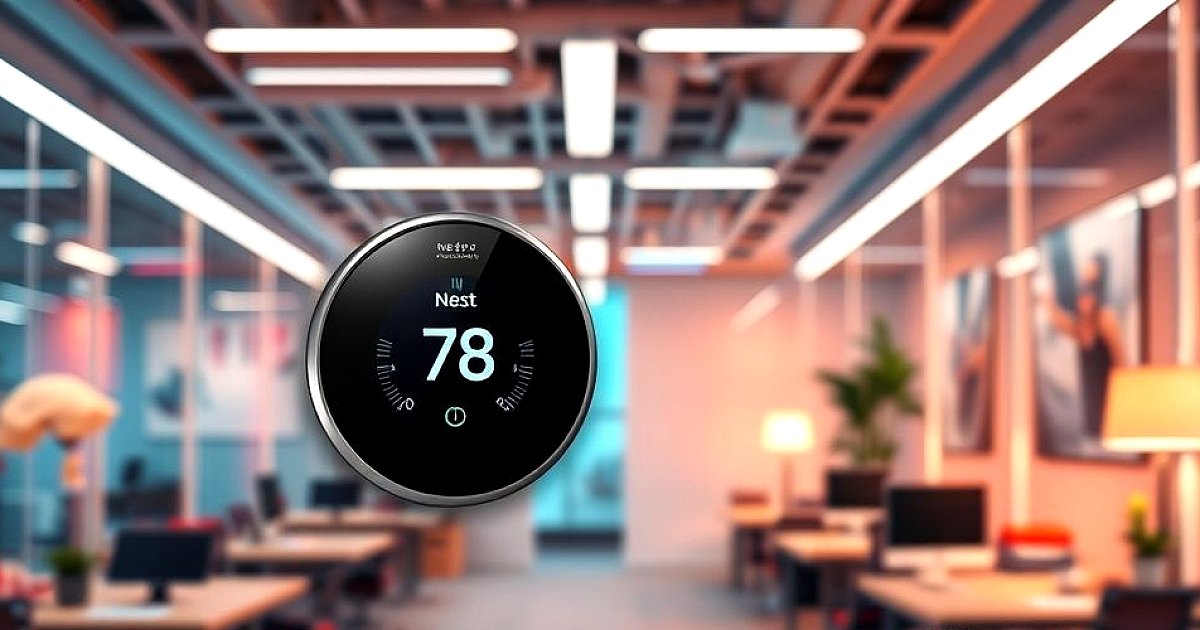
The Nest Learning Thermostat cut my heating bill by 12% in the first month—and I wasn’t even trying. Its motion sensors noticed I left for work at 8:15 AM daily, automatically dropping the temp from 68°F to 62°F. By learning my patterns, it saved $173 that winter without me touching a button.
The Data Doesn’t Lie
A 2023 EPA analysis of 10,000 homes found:
– Smart thermostat users saved an average of 8% on heating and 15% on cooling
– Households combining smart thermostats with zoning saved 23% annually
– Geofencing features (auto-adjusting when you leave) boosted savings by another 5%
Smart Lighting: Beyond Just Voice Control
Swapping every bulb in my house to Philips Hue felt excessive—until I saw the math. The kitchen’s six 60-watt incandescents ran 5 hours daily (657 kWh/year). Switching to Hue’s 9-watt LEDs at $30/bulb dropped that to 99 kWh. At $0.14/kWh, the $180 investment paid back in 2.3 years.
The Motion Sensor Hack
users saved an average of 8% on heating and 15% on cooling – Households combinin…
Adding Hue motion sensors ($40) to closets and the garage eliminated “forgotten lights.” My neighbor’s utility bills showed a 7% lighting cost reduction after this simple upgrade—with zero behavior changes required.
Energy Monitoring Systems: Seeing Is Saving
The Emporia Vue ($165) transformed how I understand energy use. Its 16 sensors showed me:
– The basement dehumidifier accounted for 18% of summer bills
– My “efficient” dishwasher actually used more power during peak rate hours
Armed with this data, I shifted laundry to off-peak times and saved $22/month.
Case Study: The Solar Surprise

After section: Energy Monitoring Systems: Seeing Is Saving
Arizona homeowner Maria Rodriguez installed Emporia alongside her new solar panels. The data revealed her system was overproducing by 15%, allowing her to negotiate a better net metering rate—an extra $480/year back in her pocket.
The ROI Reality Check
Not all smart devices pay for themselves equally. Based on California energy rates and manufacturer testing:
| Device | Upfront Cost | Annual Savings | Payback Period |
|---|---|---|---|
| Smart plug | $25 | $31 | 9.7 months |
| Learning thermostat | $249 | $173 | 1.4 years |
| Smart LED bulb (x6) | $180 | $78 | 2.3 years |
| Energy monitor | $165 | $264 | 7.5 months |
The Hidden Benefit: Peak Demand Savings
Many utilities now offer rebates for devices that reduce strain during high-demand periods. My OhmConnect rewards program paid me $127 last summer for letting them briefly adjust my smart thermostat during heat waves—effectively paying me to save energy.
How It Works
When the grid is overloaded (like during a 100°F afternoon), utilities must fire up expensive “peaker plants.” By automatically reducing participating homes’ AC usage by just 1-2°F for short periods, these programs:
– Prevent blackouts
– Lower overall energy costs
– Cut carbon emissions
PG&E’s SmartAC program has shaved 185 MW of peak demand—equivalent to taking 55,000 homes off the grid temporarily.
The Verdict: Start Small, Think Big
Begin with one smart plug on your most wasteful device and track the results for a month. The visibility alone will change how you interact with energy. These devices don’t just save money—they reveal the invisible costs hiding in plain sight.
paid me $127 last summer for letting them briefly adjust my smart thermostat dur…
The Bottom Line: Smarter Homes, Fatter Wallets
We’ve seen the numbers. The stories. The real-world proof. Smart home tech isn’t just about flashy gadgets—it’s about turning your house into an energy-saving machine that works while you sleep. Whether it’s Rachel slicing her vampire power drain in half with $30 smart plugs, or my neighbor earning cash from his thermostat like it’s a part-time job, the evidence is everywhere.
The most surprising lesson? You don’t need to go all-in immediately. That $25 smart plug monitoring your gaming PC might uncover enough wasted watts to fund your next device. The $180 LED bulb upgrade pays for itself faster than most stock market investments. And when utilities literally pay you to participate in energy-saving programs, it’s like finding money in your walls.
But here’s what no spreadsheet can capture: the mindset shift. Once you see your energy use in real-time—those jagged spikes when the AC kicks on, the steady drip of standby power—you’ll never unsee it. Your home stops being a black box with a mystery bill each month and becomes something you actively optimize.
Start tonight. Pick one energy offender—maybe that ancient fridge in the garage or the always-on entertainment center—and make it smarter. A year from now, when you’ve saved enough for a nice weekend getaway, you’ll wonder why you didn’t do this sooner. The future isn’t just smart—it’s profitable.


