
Save the Planet and Your Wallet With These Home Tips
Let’s be honest—nobody likes throwing money away. And yet, every month, we do exactly that. Leaky faucets, outdated appliances, and energy-guzzling habits drain our bank accounts while quietly wrecking the planet. The good news? Fixing one often fixes the other. I learned this the hard way after my $400 winter heating bill sent me down a rabbit hole of home efficiency hacks. What started as desperation turned into genuine fascination (and a 30% utility bill drop). Here’s how you can slash costs and reduce your footprint without sacrificing comfort—because sustainability shouldn’t feel like a punishment.
The Silent Money Pits in Your Home
Most homes hemorrhage energy in ways we never notice. Take refrigerators: the average model accounts for 7% of household electricity use, according to the U.S. Energy Information Administration. But here’s the kicker—a fridge from 2000 uses nearly twice as much power as a modern ENERGY STAR model. That’s $100+ annually wasted for no reason.
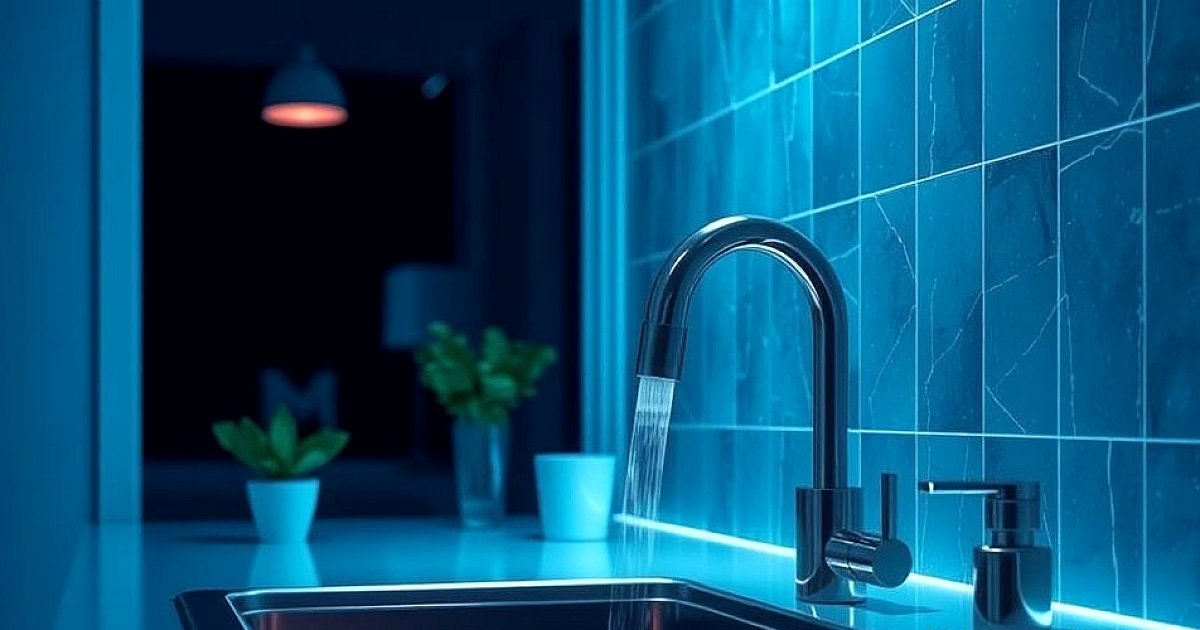
footprint without sacrificing comfort—because sustainability shouldn’t feel…
Then there’s standby power—the “vampire energy” sucked by devices left plugged in but not actively used. The Natural Resources Defense Council found this phantom load costs U.S. households $19 billion yearly. Your microwave clock, game console, and even that innocent-looking coffee maker add up.
The Big Three Energy Culprits:
- HVAC systems: 43% of home energy use (Department of Energy)
- Water heating: 18% of bills
- Lighting: 12%—but LED bulbs use 75% less energy than incandescents
Easy Wins With Immediate Payback
Forget solar panels (for now). Start with these under-30-minute fixes that pay for themselves within months:
1. Seal the Deal With Weatherstripping
That draft under your front door isn’t just annoying—it’s literally throwing cash outside. A 1/8-inch gap around a door equals a 2.4-inch hole in your wall according to energy auditors. A $5 foam tape roll can cut heating/cooling losses by 10-15%. I did this in my 1950s bungalow and felt the difference within hours.
2. Water Heater Tune-Up
Lowering your water heater from 140°F to 120°F saves 6-10% on heating costs (Energy Department data) while still preventing bacterial growth. Add an insulating blanket ($25) to older tanks for another 4-9% efficiency boost.
3. Smart Power Strips
Plug your TV setup into a $25 smart strip that cuts power to peripherals when the main device is off. My gaming system stopped being a $50/year vampire once I made this change.
The Mid-Range Upgrades Worth Every Penny
These investments take more effort but deliver serious returns:
Programmable Thermostats: The ROI Champion

preventing bacterial growth. Add an insulating blanket ($25) to older tanks for…
A Nest study of 10,000 households showed average savings of 10-12% on heating and 15% on cooling. At $130 installed, it pays for itself in under a year in most climates. The magic? It learns your schedule and avoids heating empty rooms—something I wish my forgetful self could do manually.
After section: The Mid-Range Upgrades Worth Every Penny
Low-Flow Fixtures That Don’t Suck
Modern aerating showerheads like the Niagara Earth (which I’ve used for three years) deliver strong pressure at 1.25 gallons per minute versus the standard 2.5 GPM. That’s 12,000 gallons saved annually for a family of four, plus $100+ off water heating bills.
The Big Leagues: When to Go All In
For homeowners ready to commit, these moves require bigger budgets but transform efficiency:
Heat Pump Water Heaters
They use 60% less energy than conventional electric models by pulling heat from surrounding air. Despite the $1,200+ price tag, federal tax credits and local rebates often cover 30-50%. My neighbor installed one and slashed his $60/month water heating bill to $22.
The Attic Insulation Game-Changer
Adding just 10 inches of blown-in cellulose insulation (R-38 value) can reduce heating bills by 10-50% based on DOE field studies. In my Pennsylvania home, upgrading from R-19 to R-38 paid for itself in two winters through oil savings alone.
The Psychology of Sustainable Living
Sustainability sticks when it feels rewarding, not restrictive. Track your progress with tools like Sense energy monitors ($300) that show real-time savings—watching my kWh usage drop became weirdly addictive. Or join community challenges; Portland’s “20% Energy Challenge” saw participants save an average of $298 annually through peer support alone.
The bottom line? Every efficiency upgrade is essentially a pay raise—one that keeps giving year after year while lightening your environmental load. Start small if you must, but start today. Your wallet (and planet) will thank you.
Wrapping It Up: Small Steps, Big Impact
Let’s be real—saving the planet shouldn’t feel like a chore. The beauty of these home efficiency tips? They’re win-wins hiding in plain sight. Swap a lightbulb, seal a draft, or insulate your attic, and suddenly you’re stacking cash while shrinking your carbon footprint. No martyrdom required.
Remember the psychology here: sustainability sticks when it feels like a game, not a guilt trip. Whether it’s chasing that dopamine hit from watching your energy monitor dip or competing with neighbors to cut usage, the right mindset turns sacrifice into strategy. And those “big league” upgrades? They’re not just for eco-warriors with deep pockets—tax credits, rebates, and long-term savings make them smarter than they seem.
So where does that leave you? Start where you are. Pick one leaky window to weatherstrip this weekend. Schedule an energy audit. Or go all-in on a heat pump water heater if the math works. Every drop in the bucket counts—for your bank account and the planet. The best time to begin was years ago. The second-best time? Right now.
The planet’s not waiting. Neither should you.


